

Computational Fluid Dynamics
OVERVIEW
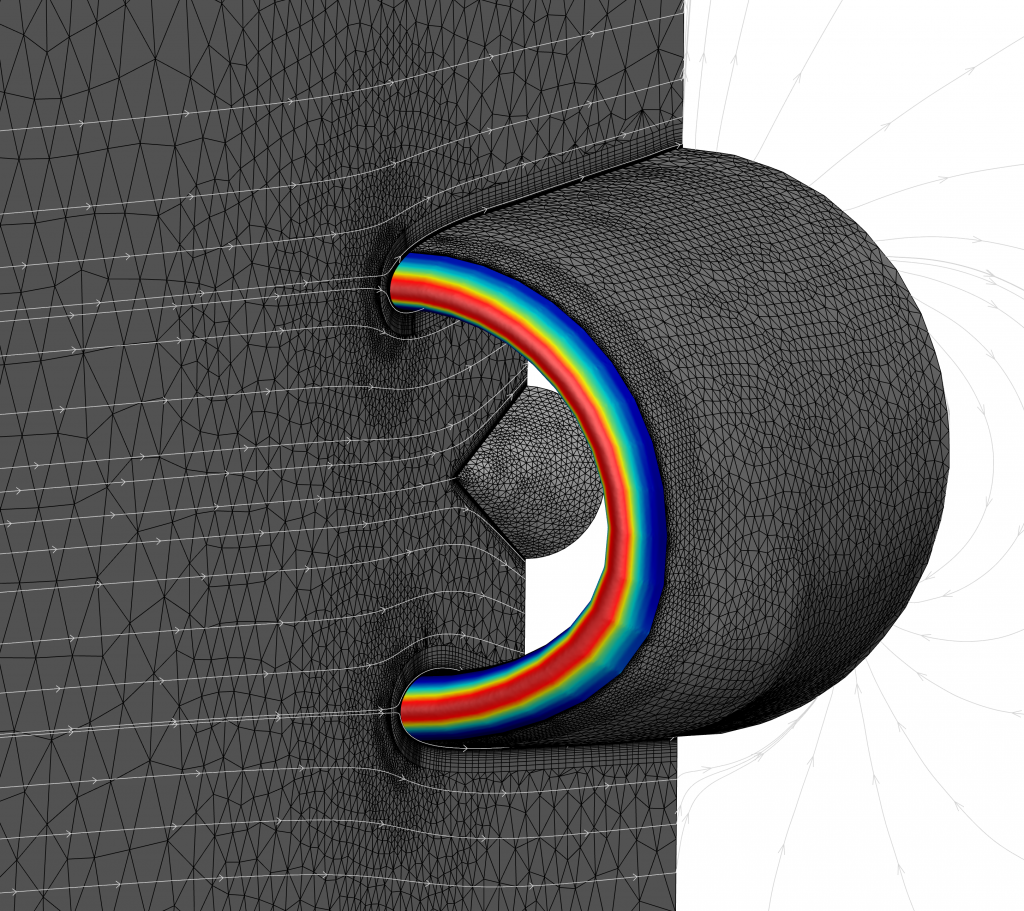
- Compressible and incompressible flows
- Various equations of state – incompressible, barotropic, perfect and real gases
- Chemically reacting flows (equilibrium, non-equilibrium, flamelets)
- Thermal non-equilibrium
- Multiple phases
- Unsteady and steady flows
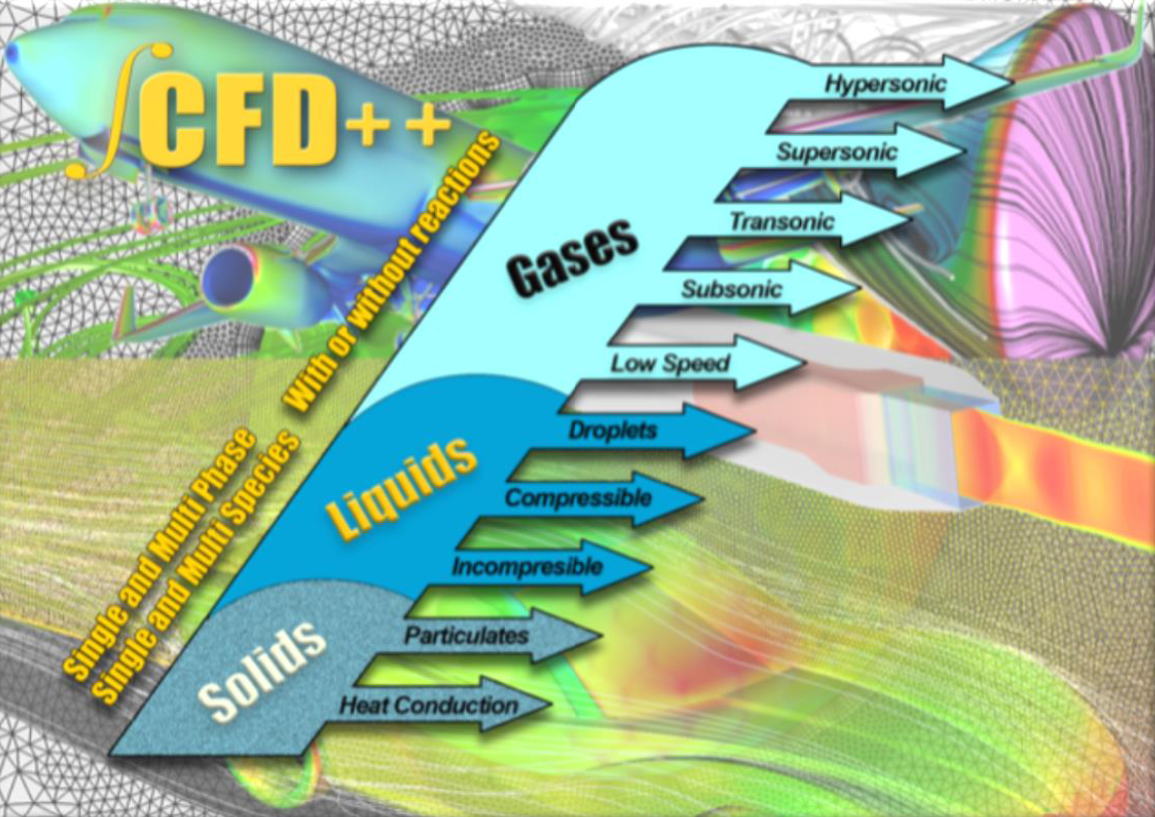
- Large range of speed regimes – low speeds through subsonic, transonic, supersonic and hypersonic speeds
- Conjugate heat transfer
- Radiation effects
- Wide range of initial and boundary conditions
- Generality and extensibility via file-based co-simulation or user-defined subroutines
- Adjoint methods for evaluating sensitivity
- Fluid-thermal-structure interaction (FSI) via MetaFSI® and CSM++®
- Solution-based adaptive mesh refinement via MIME®
- Six-degree-of-freedom (6DOF) module and prescribed mesh motion
- Problem setup wizards for quick setup
- Effective matching of problem size, complexity, and computational resource
- Easy problem setup with the Advanced User Interface
- Effective scaling from one to thousands of cores
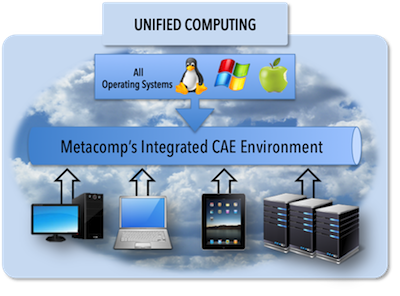
- Available on cloud computing platforms
- Industry standard turbulence models
- Advanced turbulence models (RANS, Hybrid RANS/LES)
- Algorithmic capabilities for accuracy, robustness
- Fast computation of steady state and transient problems
Unifying Philosophies in CFD++®
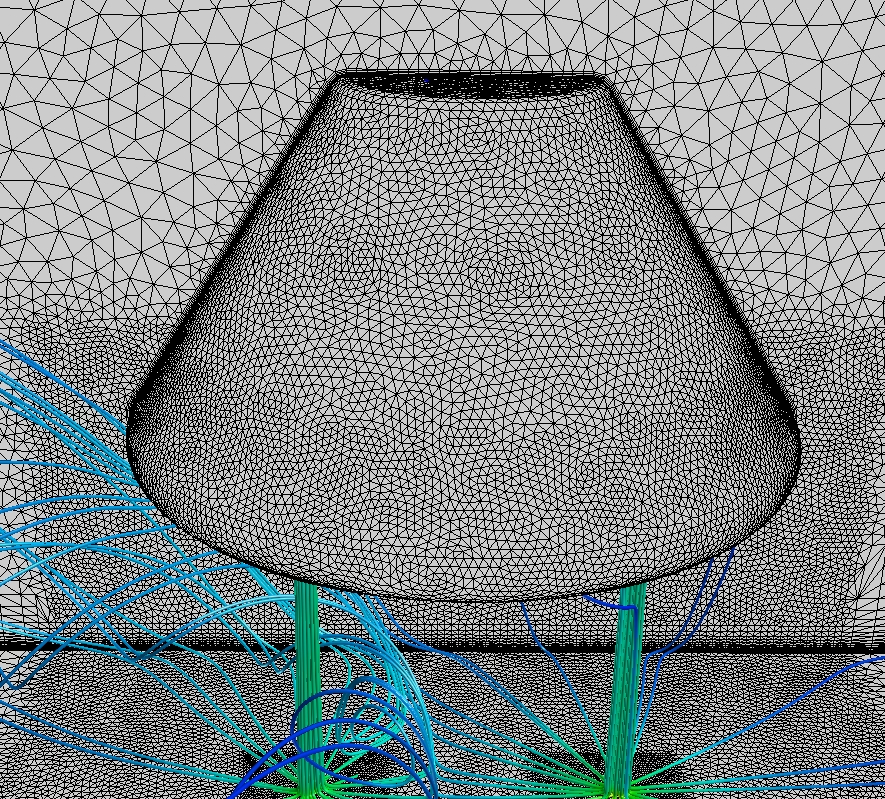
All cell types
• Hexahedral
• Tetrahedral
• Prism
• Polyhedral
• Polygonal
• Quadrilateral
• Triangle
• Line
All grid types
• Structured
• Unstructured
• Patched
• Overset
• Hybrid
• Non-aligned
• Meshes with gaps
• Very large grids
APPLICATIONS
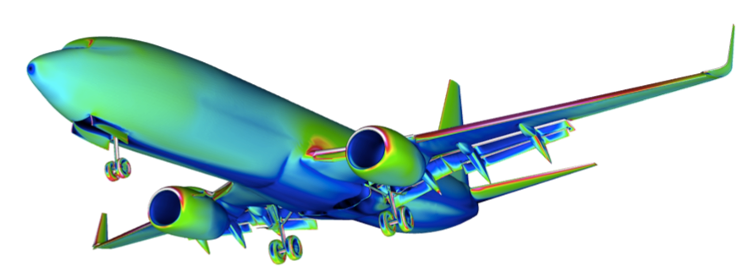
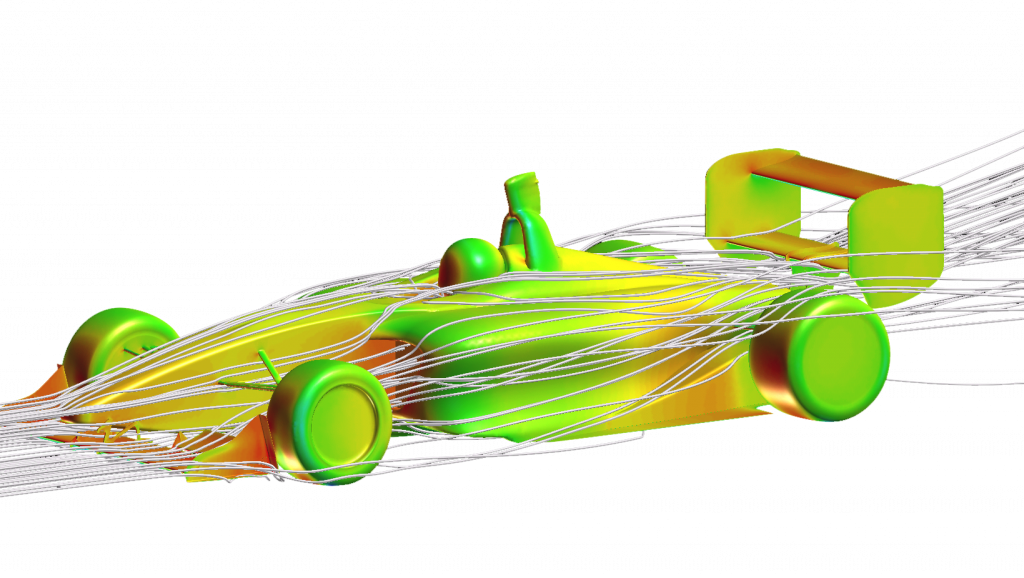
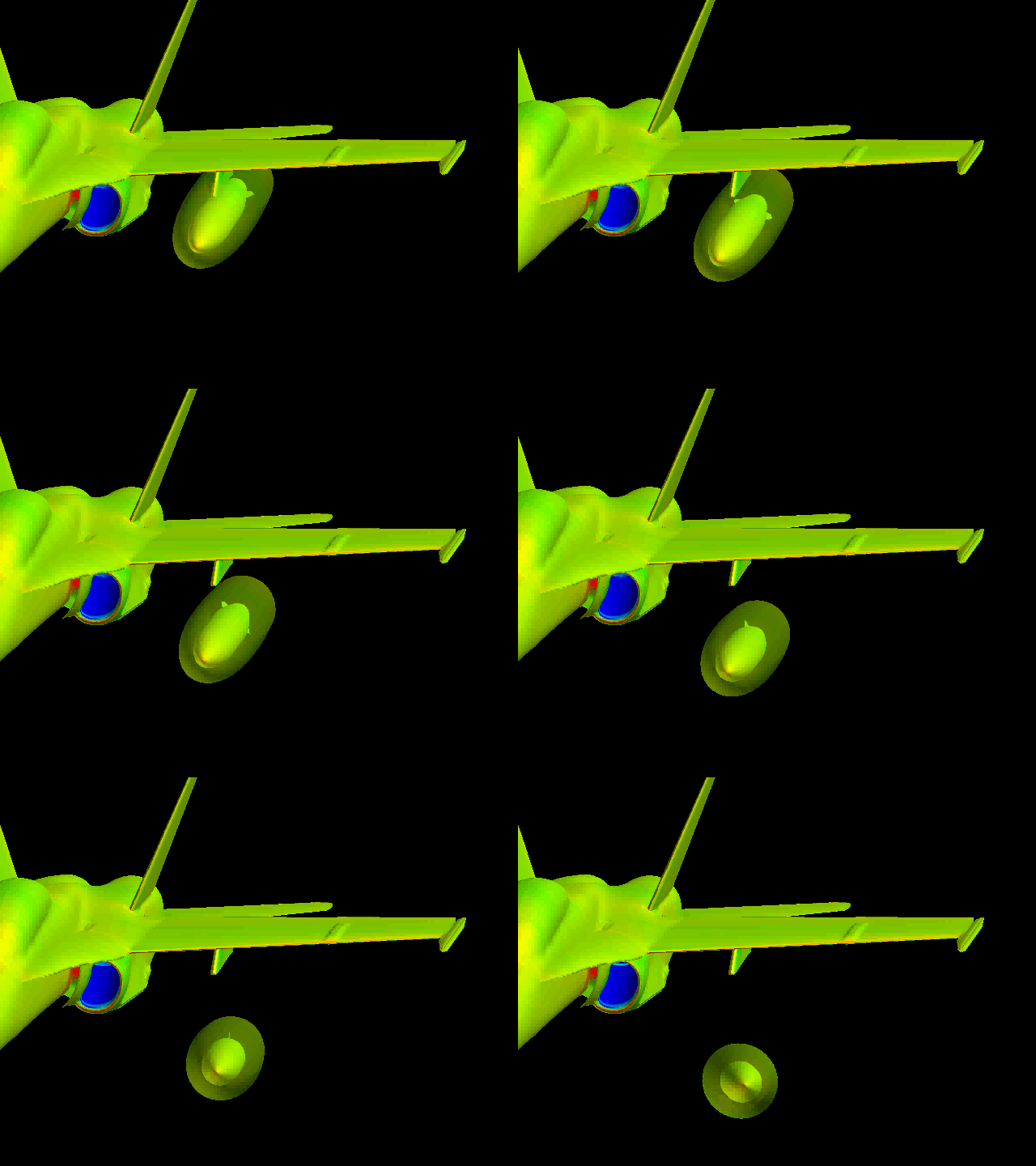
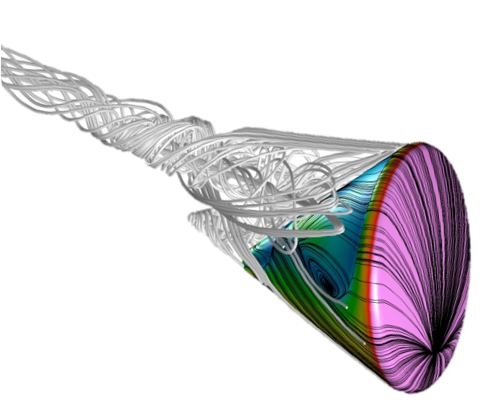
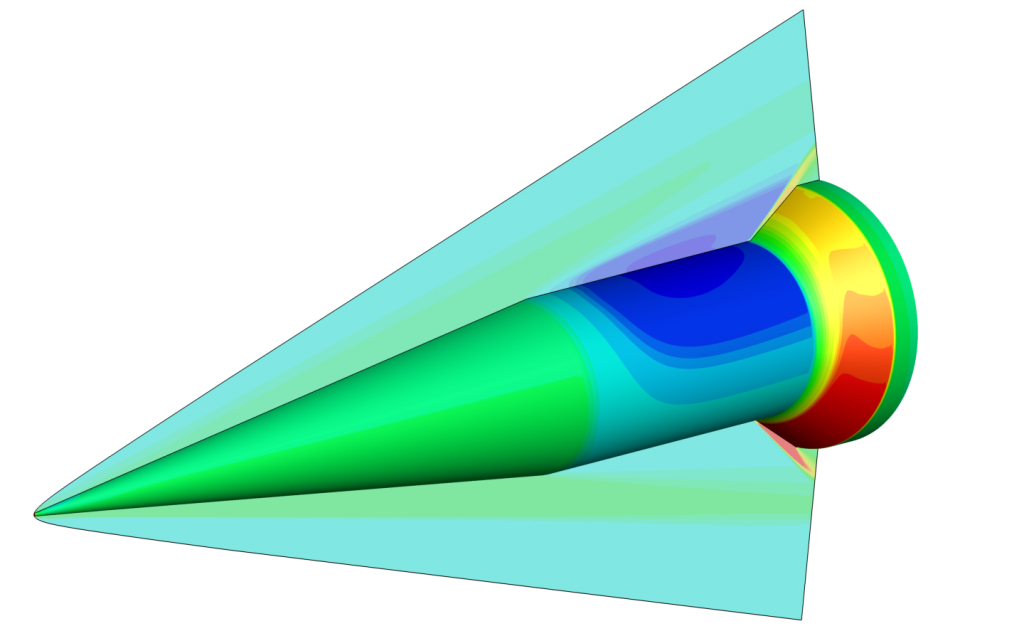
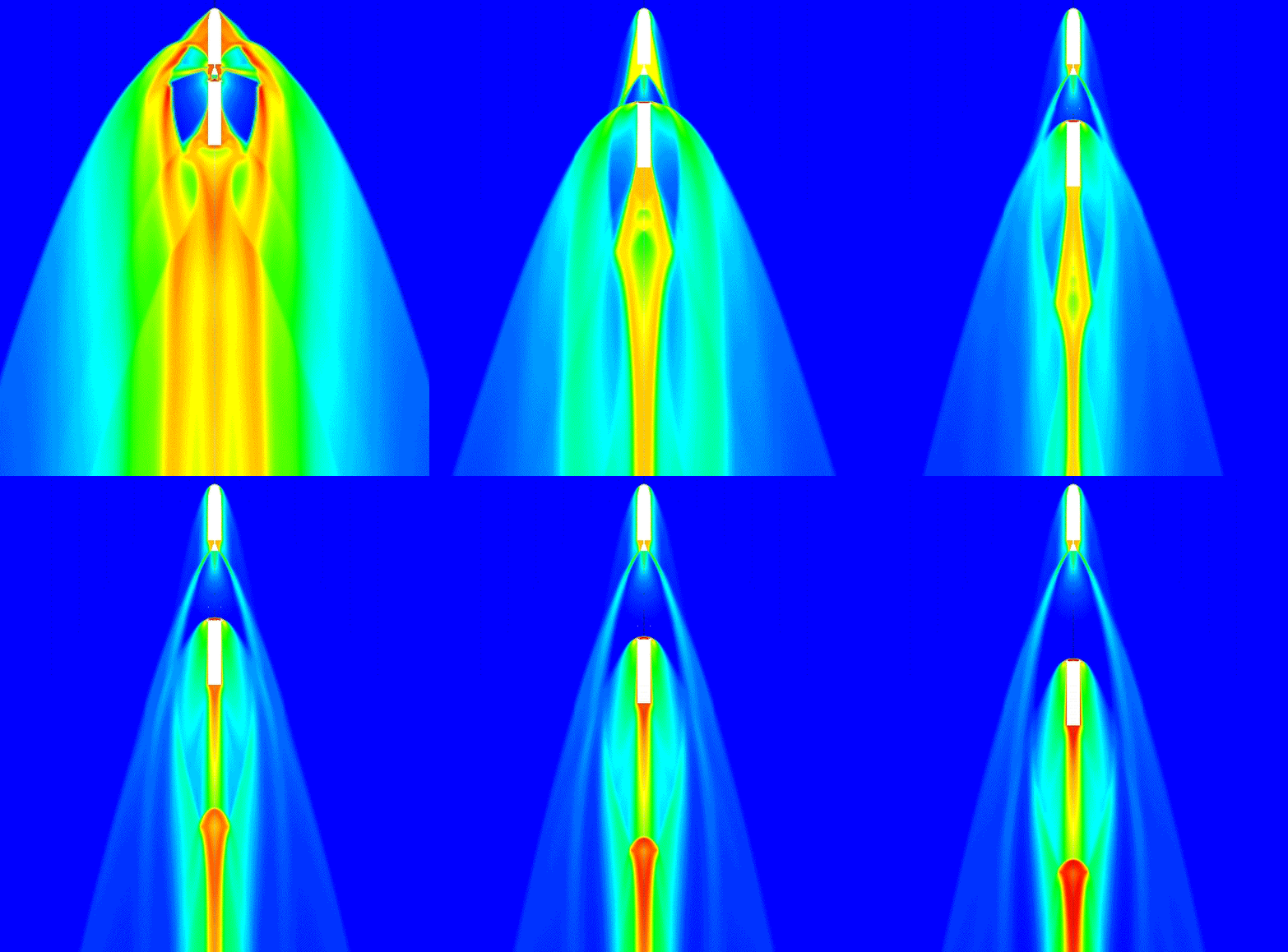
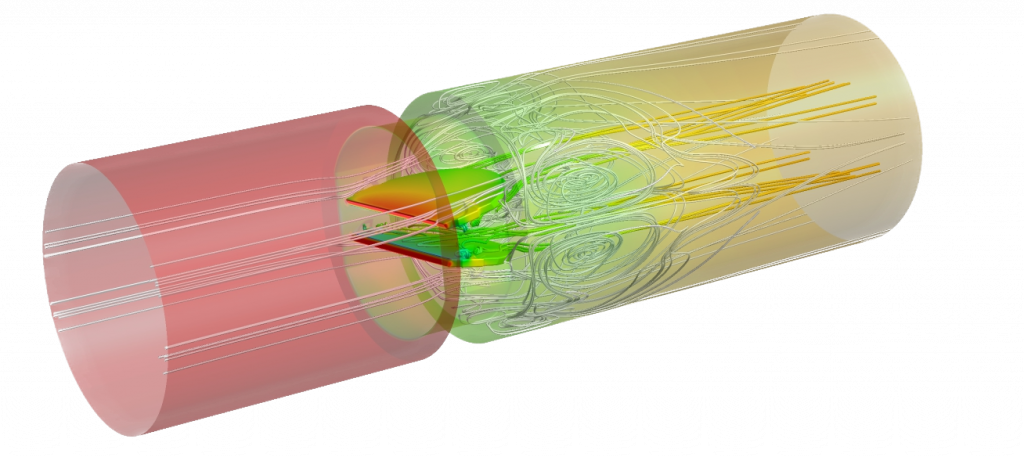
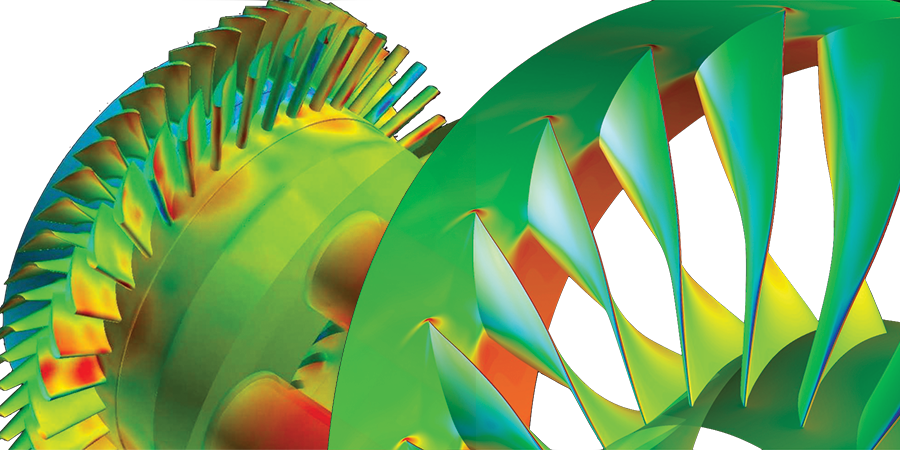
FEATURES
- Turbulence
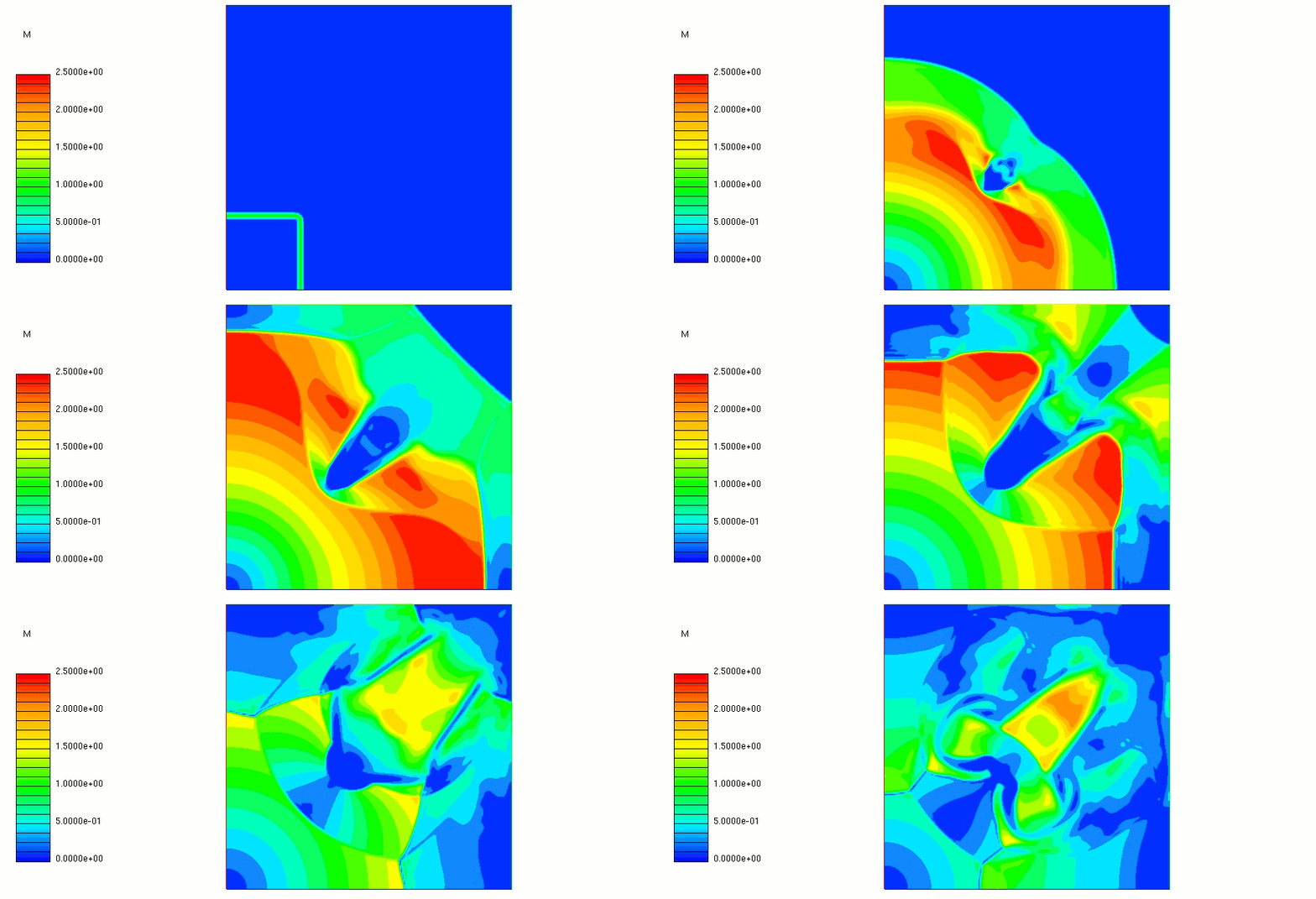
- Hypersonics
- Multiphase flows
- flows with Combustion
- Heat transfer & Radiation
- Moving meshes
- Mesh Morphing
- Physics Source Terms
- Adjoint method
- Advanced Numerics
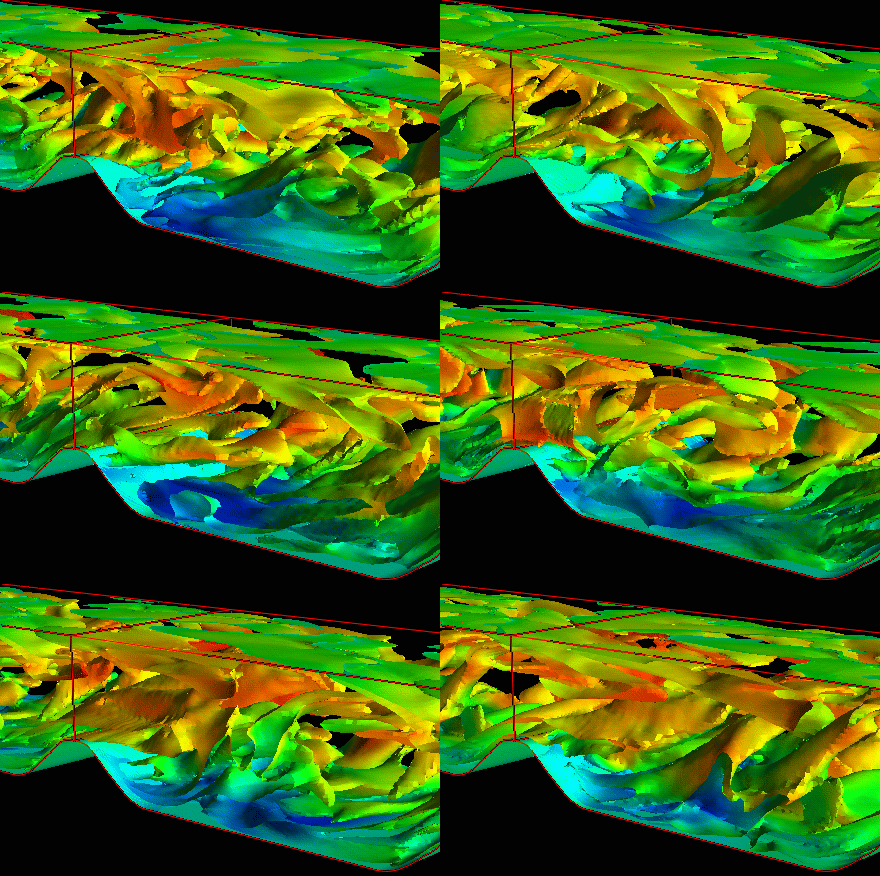
Turbulence modeling
Topography-parameter-independent models
- 1-equation models:
- Rt model
- SA (including QCR & RC variants)
- 2-equation models:
- Realizable k-ε model
- Nonlinear (cubic) k-ε model
- Menter’s Shear Stress Transport (SST)
- Nonlinear (quartic) Hellsten model
- 3-equation model:
- Realizable k-ε-Rt model
- 4-equation Langtry-Menter transition model
- 7-equation nonlinear RSTM model
Advanced Wall Functions
- Handle any y+ and provide consistent solutions at any y+
- Seamless switching between low and high Re approaches depending on y+
LES and Hybrid RANS/LES
- Models: LNS, DES97, DDES and IDDES
- Improved accuracy with smart sub-grid scale modeling
- Large-Eddy STimulation for automatic eddy seeding in LES
- Wall-modeled LES (WMLES) and monotonically-integrated LES (MiLES)
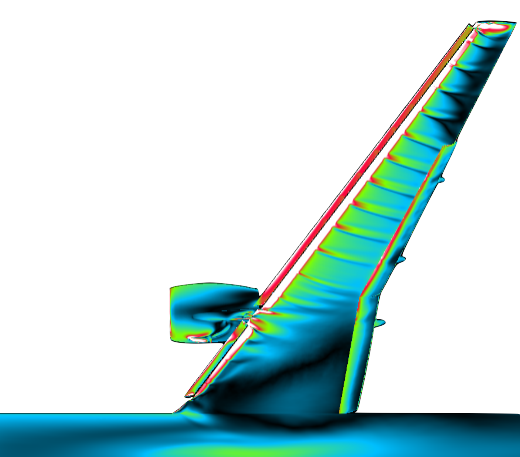
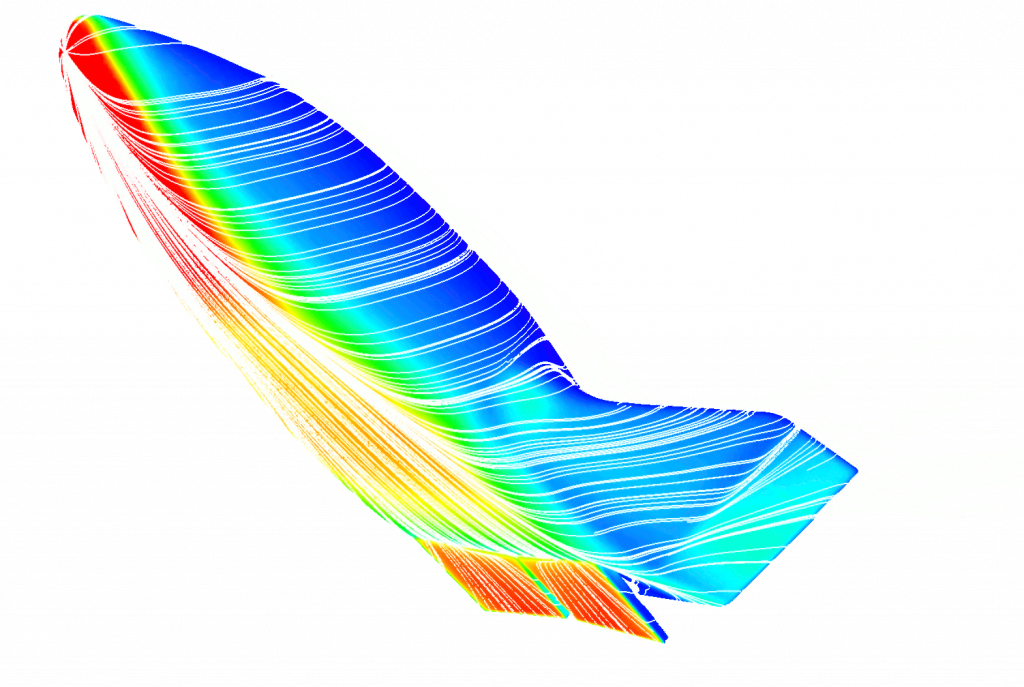
Hypersonics and Non-equilibrium Flows
High-Temperature Gas Dynamics
- Two temperature-based thermal and chemical non-equilibrium modeling
- Tannehill curve fits for equilibrium air
- Advanced models for high-temperature ionized air transport properties
- Species properties for Earth/Mars entry and ablation
over a five-temperature range up to 30,000 K - Catalytic wall conditions
- Ablative wall conditions
Applications
- Reentry and aero-heating
- Hypersonic plumes
- Scramjets
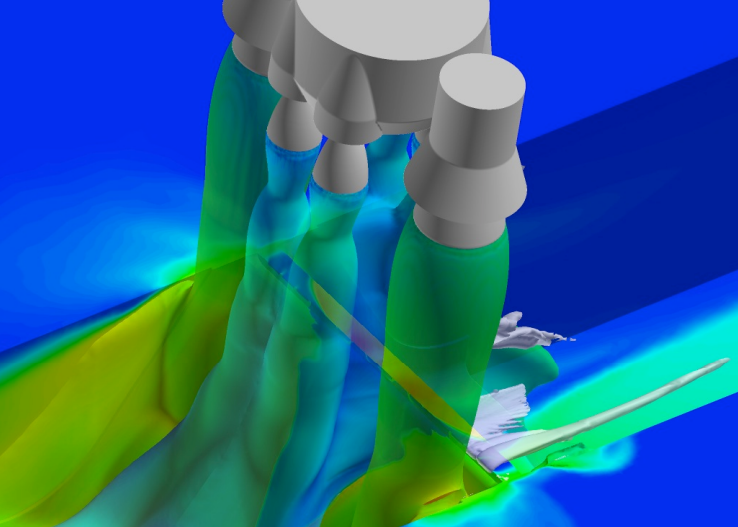
Multiphase flows
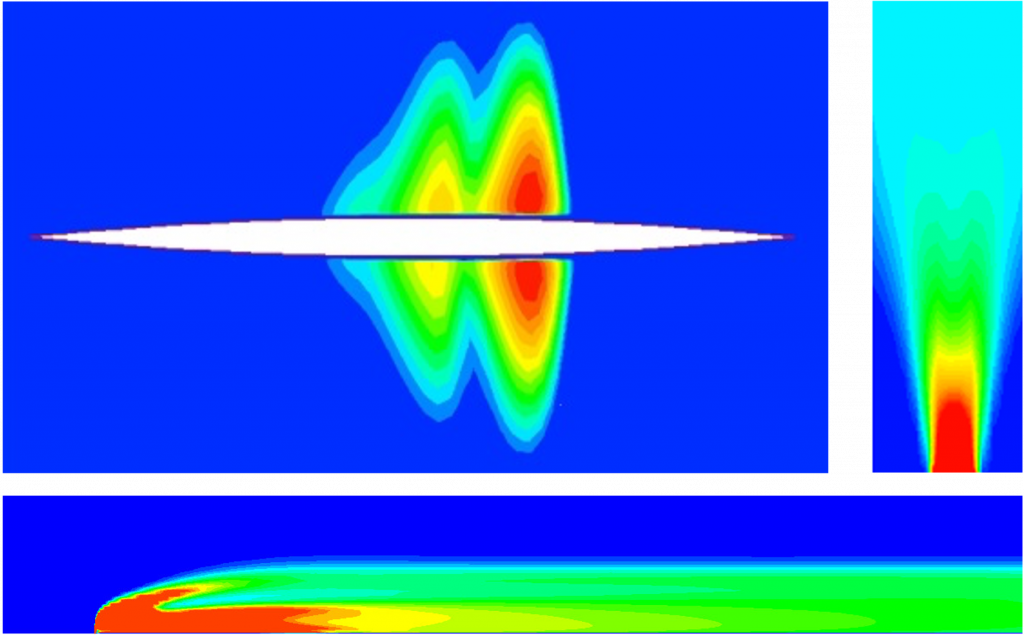
Eulerian Dispersed Phase (EDP) method
- Designed for flows with dispersed particles, droplets, or bubbles
- Interphasic and body forces: drag, lift, turbulence dispersion, pressure gradient, virtual mass, wall lubrication, buoyancy
- Interphasic mass and energy transfer
- Evaporation: constant rate, boiling, boiling + Hertz-Knudsen
- Condensation: homogeneous nucleation, Gyarmathy or Hertz-Kndsen model for droplet growth
- Melting and solidification
- Secondary aero breakup model
- Wall impingement model: Supercooled Large Droplet (SLD) model
- Radiation: direct to far-field, DO or P1 radiation models
- Oxygen Transfer Model (OTM)
- Pure and aerated jet injection in crossflow – generates droplet size and density distributions for injection flow condition
- Langmuir D distribution for icing simulations
- Applications: particle-laden flows, aircraft icing, rocket exhaust flows with solid particles, liquid jet injection, bubbly flows
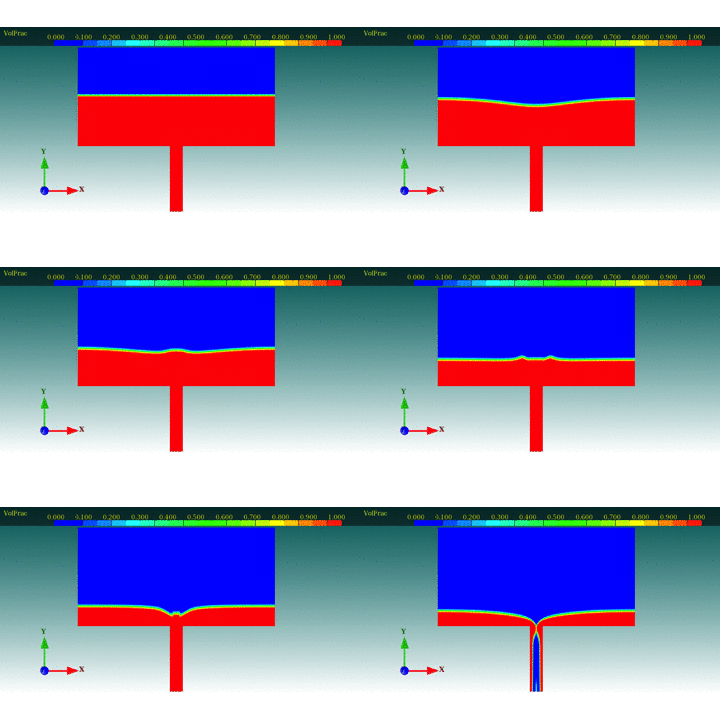
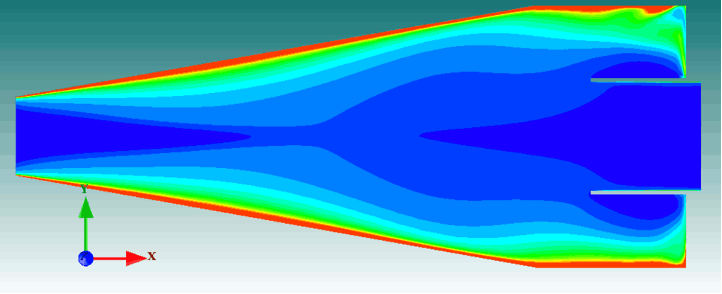
Full Eulerian-Eulerian Method (FEEM)
- Full volume conservation across all phases with no volume fraction restriction and handling of special physics
- Interphasic and body forces
- Drag (including exchange between secondary phases)
- Lift, turbulence dispersion, virtual mass
- Wall lubrication, buoyancy and bubble induced turbulence
- Interphasic mass transfer
- Interface sharpening
- Large Scale Interface detection (LSI)
- Artificial compression algorithm
- Number density equation
- Coalescence and breakup models
- Secondary aero breakup model
- Bubble expansion/compression model
- Special wall boundary conditions
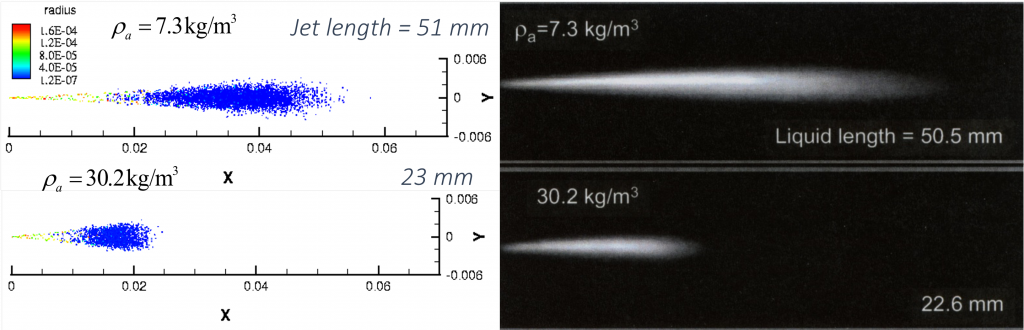
Lagrangian Dispersed Phase (LDP) method
- More suitable for modeling small injection ports in a very large domain
- More options for modeling primary and secondary breakup
- Taylor analogy breakup model
- Cascade atomization & drop breakup
- Wave breakup model
- Hybrid wave breakup model
- Special physics: multiple parcel injection, co-axial and cross-stream injection, spray angle and variable parcel velocity, solid particle rebound on walls
Mixture Model
- Homogeneous Mixture Model
- Effective for mixture flows where the dispersed phases are in dynamic and thermal equilibrium with the continuous phase
- Handles special physics such as evaporation, condensation, and cavitation
- Non-Homogeneous Model
- Slip/drift velocity between phases
- Turbulence dispersion included
- Cavitation models
- Zwart-Gerber-Belamri model, Schnerr-Sauer model & Singhal model
- Secondary phase compressibility and material density overrides for cavitation
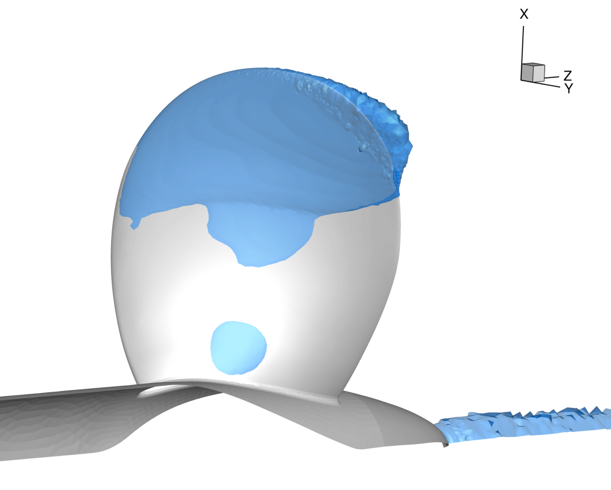
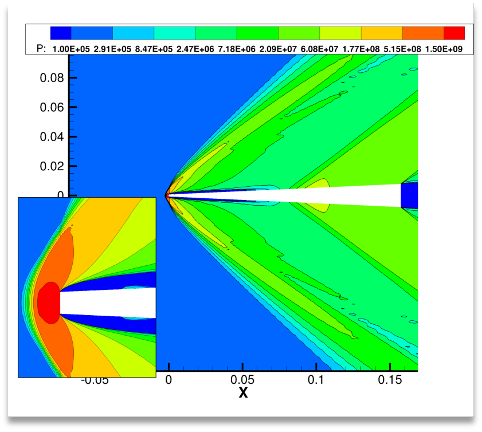
- Applications: liquid injection, cavitation and supercavitation, solid grain burning
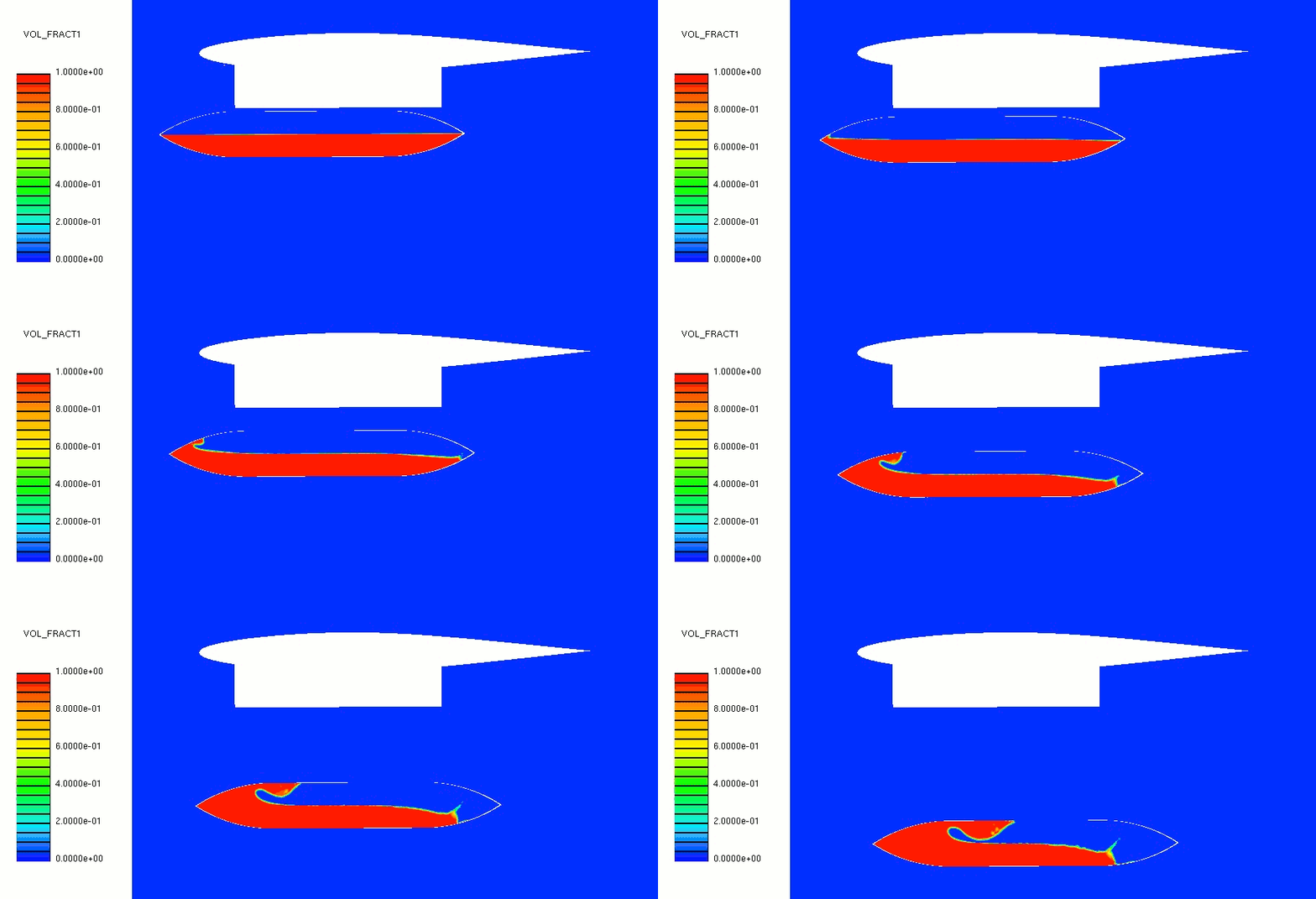
Volume of Fluid (VOF) method
- Ideal for simulating immiscible interfacial flows
- Distinct non-mixed phases with sharp interfaces
- Artificial compression for sharp interfaces
- Surface tension effects
- Gravity wave inflow
- Wall adhesion model
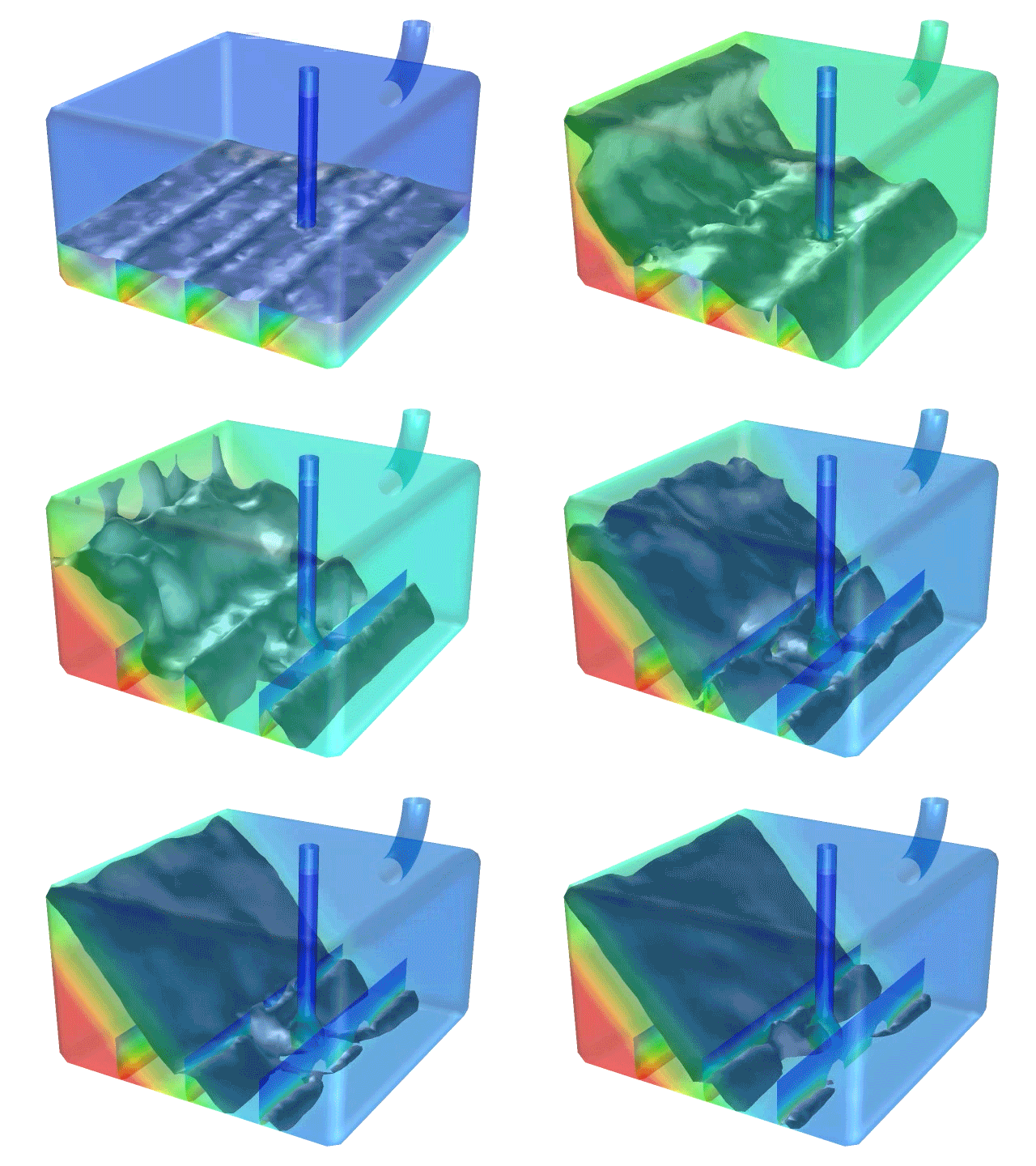
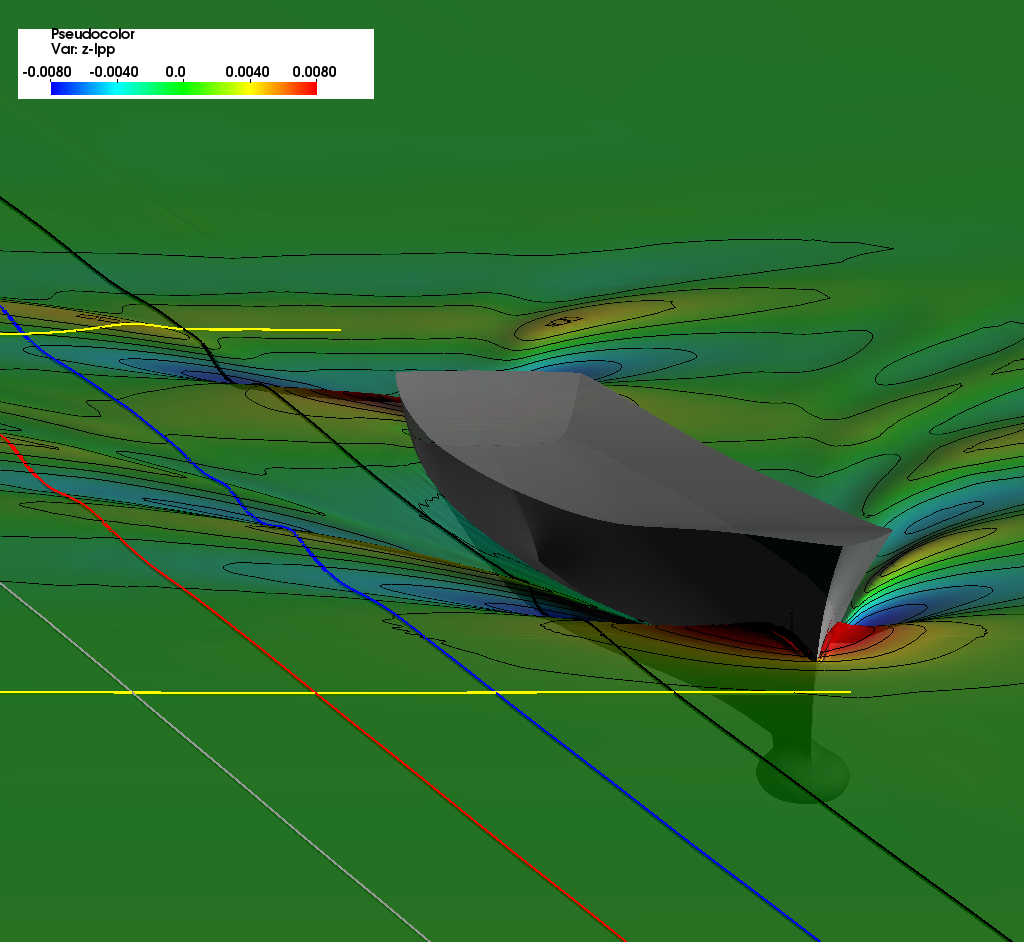
- Sloshing, ditching, boat flows
- Applications: free surface flows, sloshing, ditching, drainage flow
Reacting flows
- Generalized Arrhenius chemistry model
- Large database of gases and liquids
- Pressure dependent reactions
- CHEMKIN and Cantera conversion tool for species and reactions
- Reactions handled accurately and efficiently using smart integrator
- Volumetric source for simulating ignition
- Handling of supercritical combustion via cubic/generalized equations of state
- Equilibrium chemistry (mixed-is-burnt)
- User-defined chemistry (UDP) functionality
- Flamelet model
- Tabulated method for simulations with the same fuel/oxidizer condition
- Greatly reduces computational cost
- Turbulence-chemistry interaction
- Eddy dissipation concept model
- Dynamically thickened flame model resolves flame fronts
- Flamelet model with presumed PDF
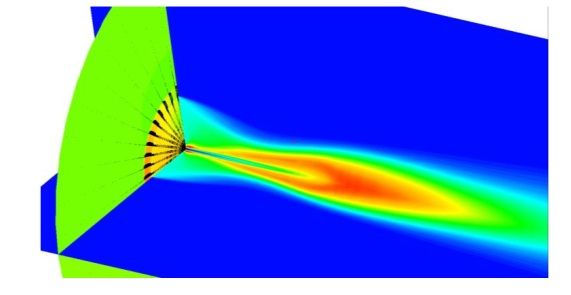
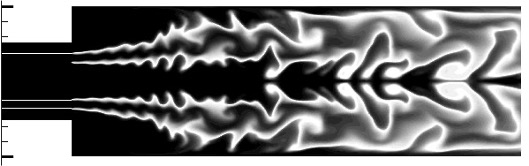
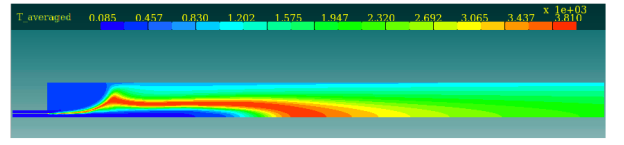
- Applications
- Air-breathing engines
- Ramjets and scramjets
- Liquid/solid fueled rocket engines
- Detonation engines
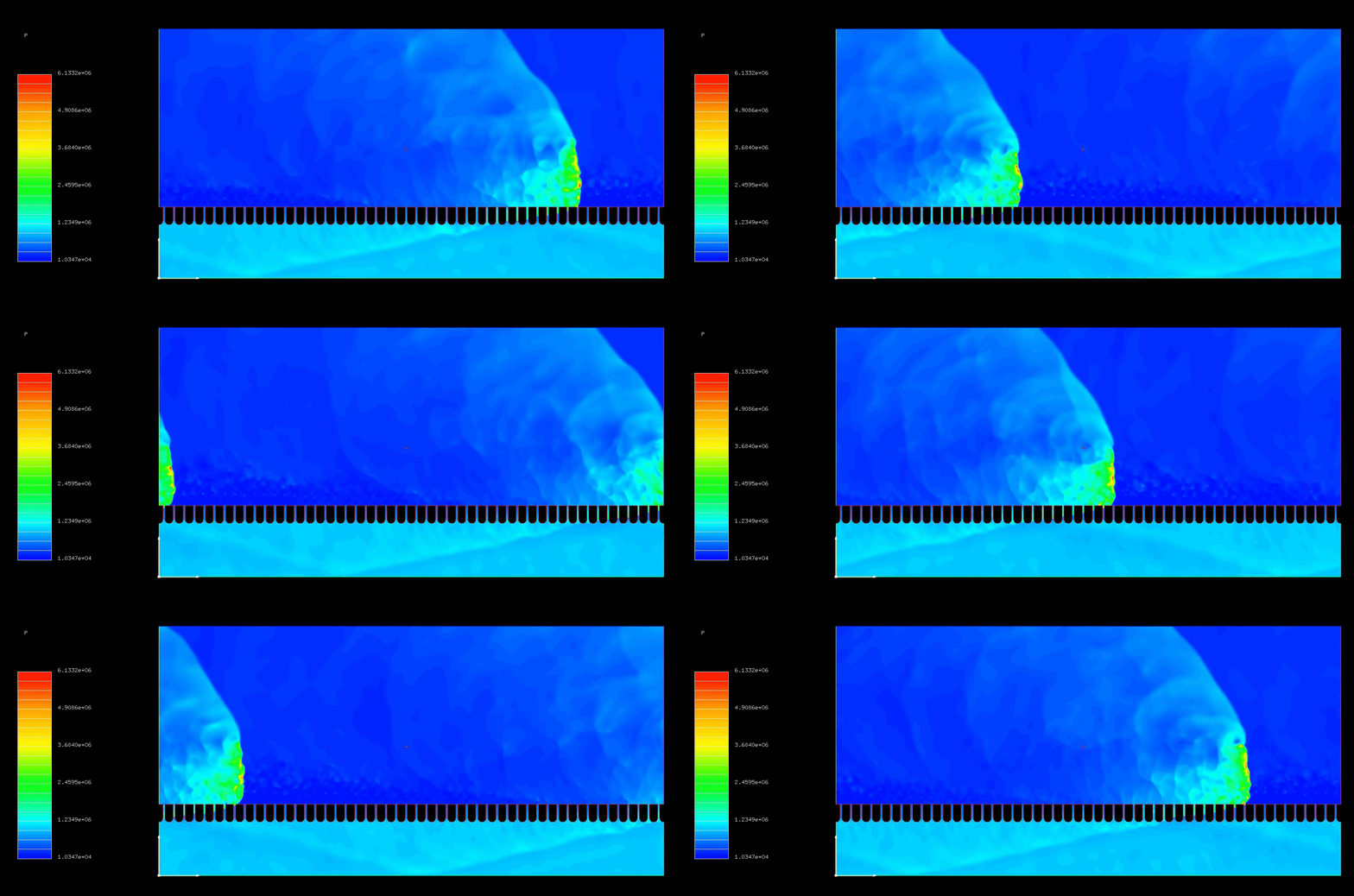
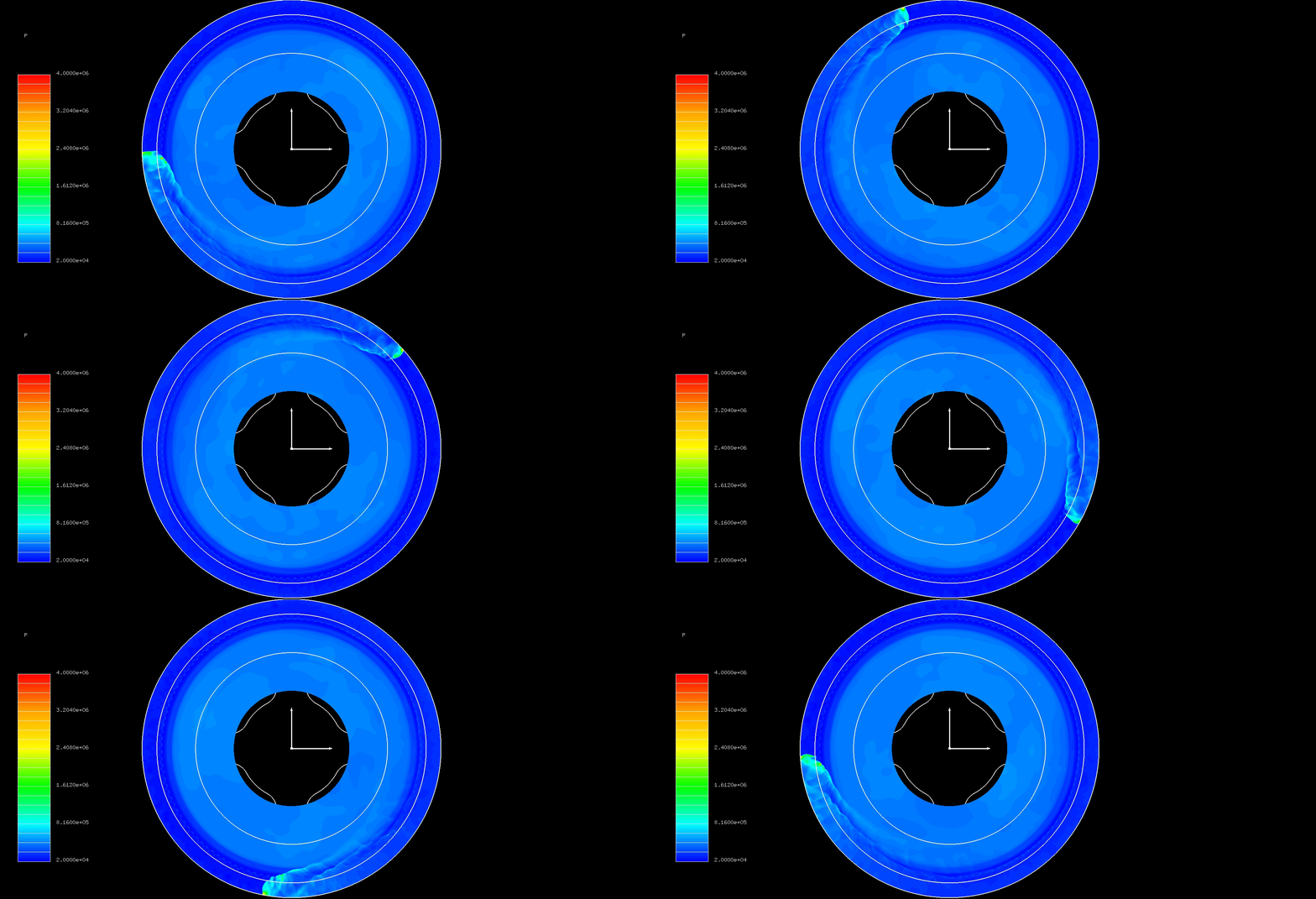
- Rotating detonation engines
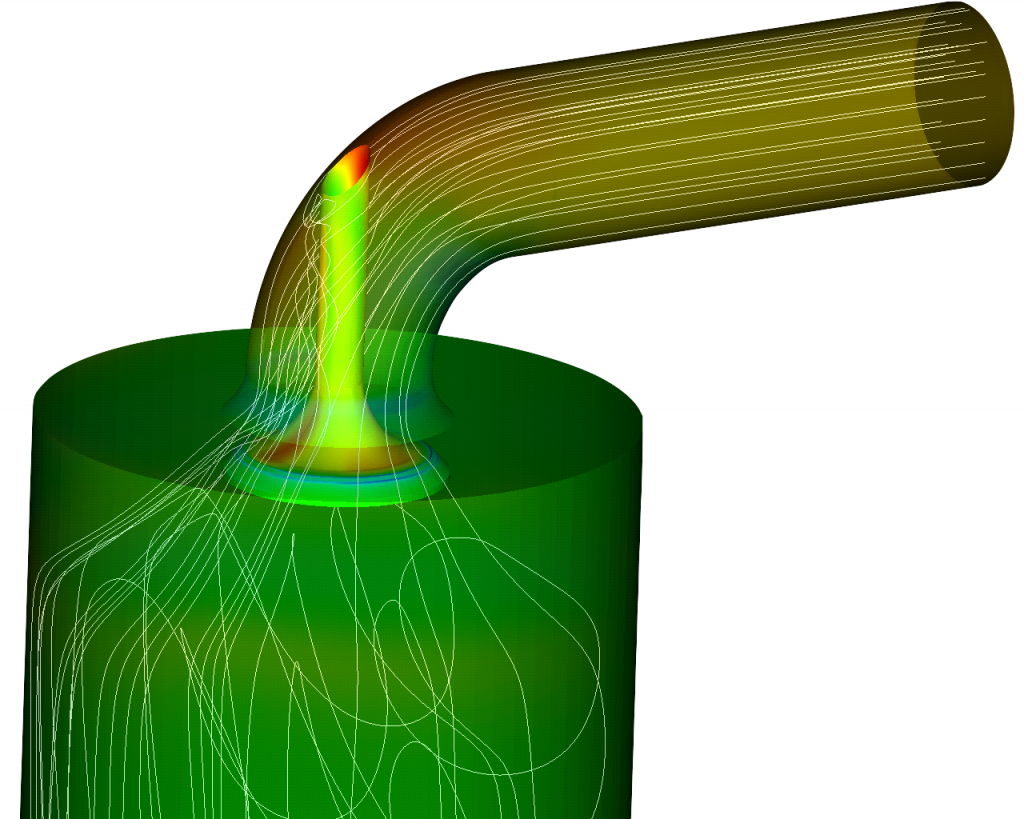
- Internal combustion engines
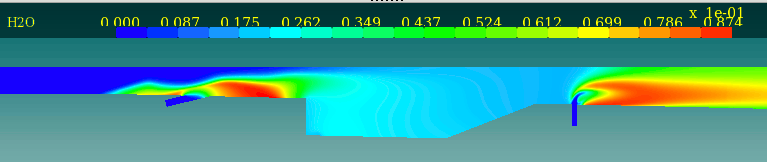
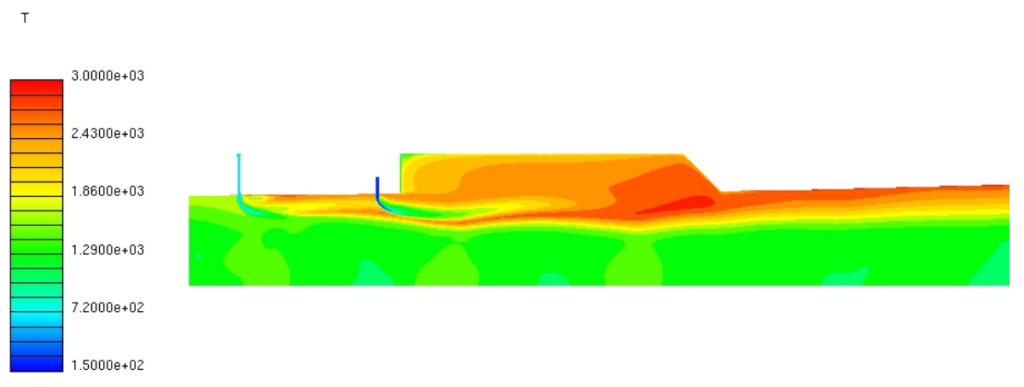
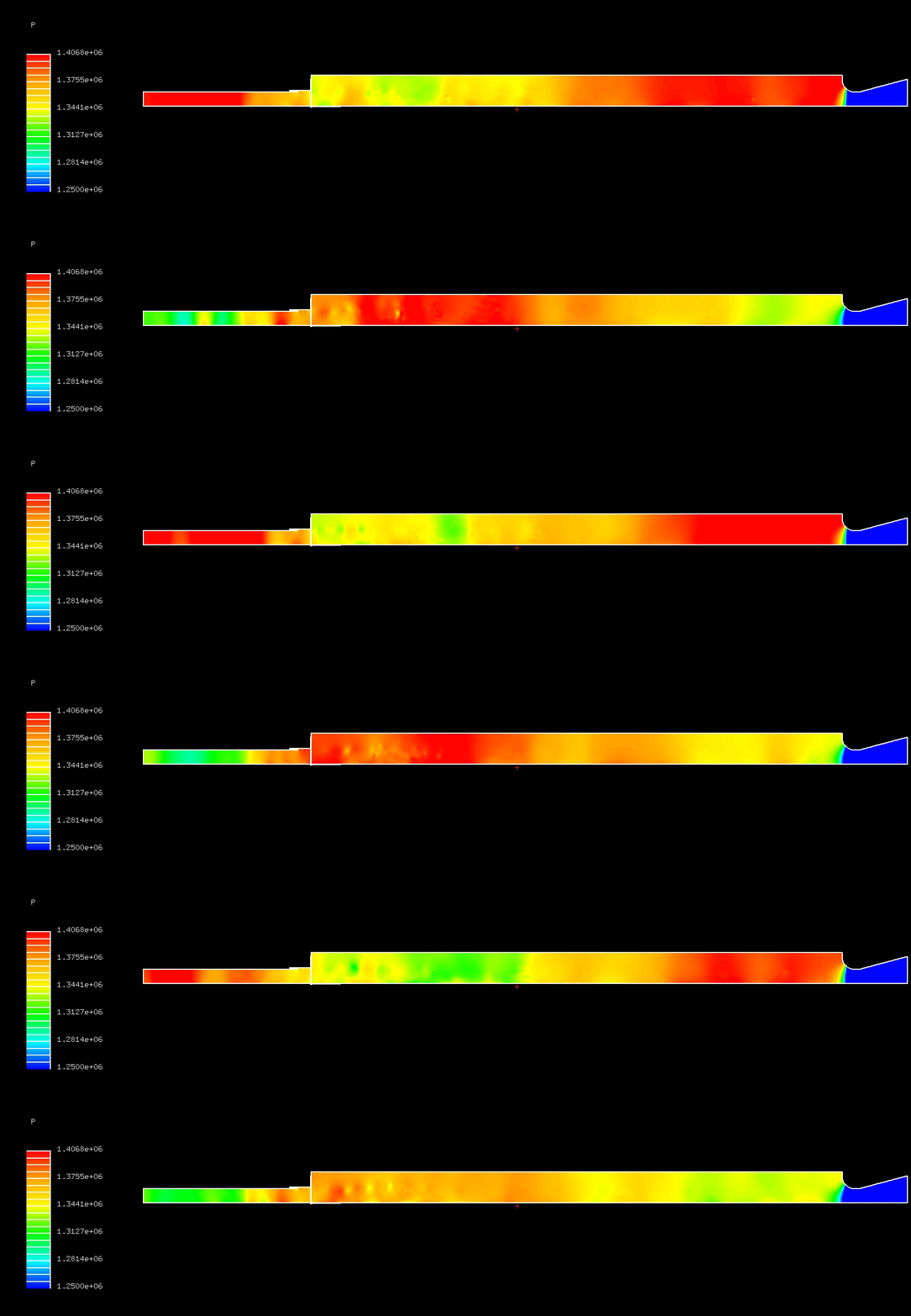
Heat transfer & Radiation
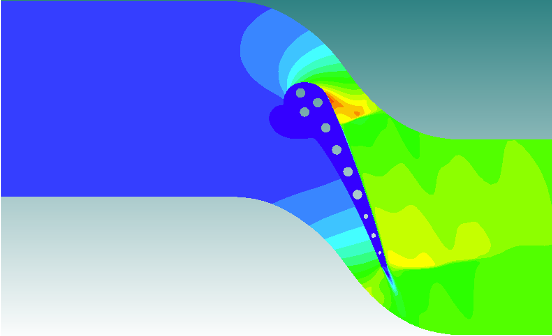
Conjugate heat transfer (CHT)
- Tightly and loosely coupled methodologies for different flow regimes
- Isotropic and constant properties
- Composites and temperature-dependent properties
Radiation
- P1 radiation model
- Discrete Ordinates (DO) model
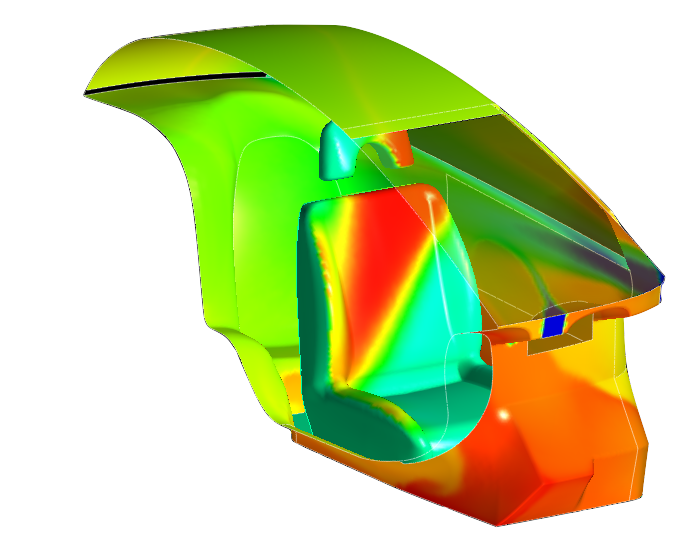
Moving meshes
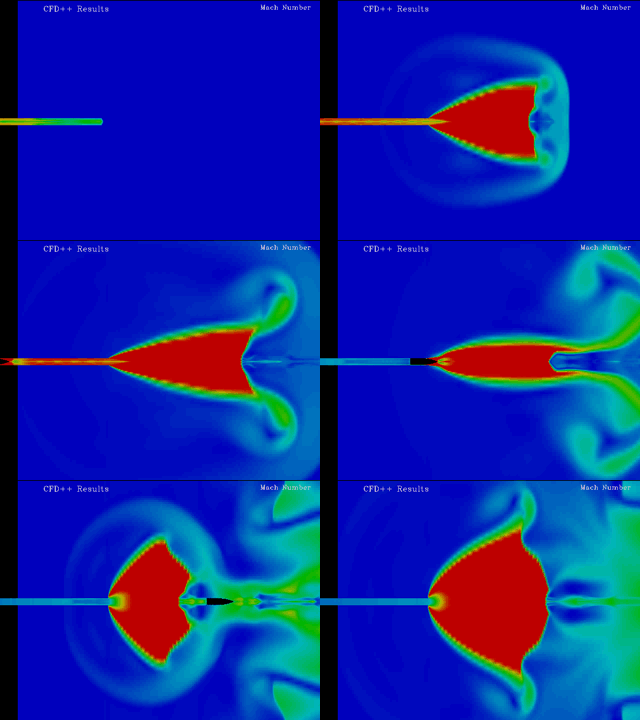
- Unique capabilities in simulating steady and unsteady flows over complex geometries, including bodies in relative motion
- Sliding and overset meshes
- Accurate treatment of conservation for such meshes
- Automated cutting & blanking mode for faster, easier setup
- Sequential cutting approach for cutting & blanking
- Global and body frame motion modes
- Integrated rigid body dynamics (RBD) with the Six-Degree-of-Freedom (6DOF) module
- Co-simulation capabilities in 6DOF mode
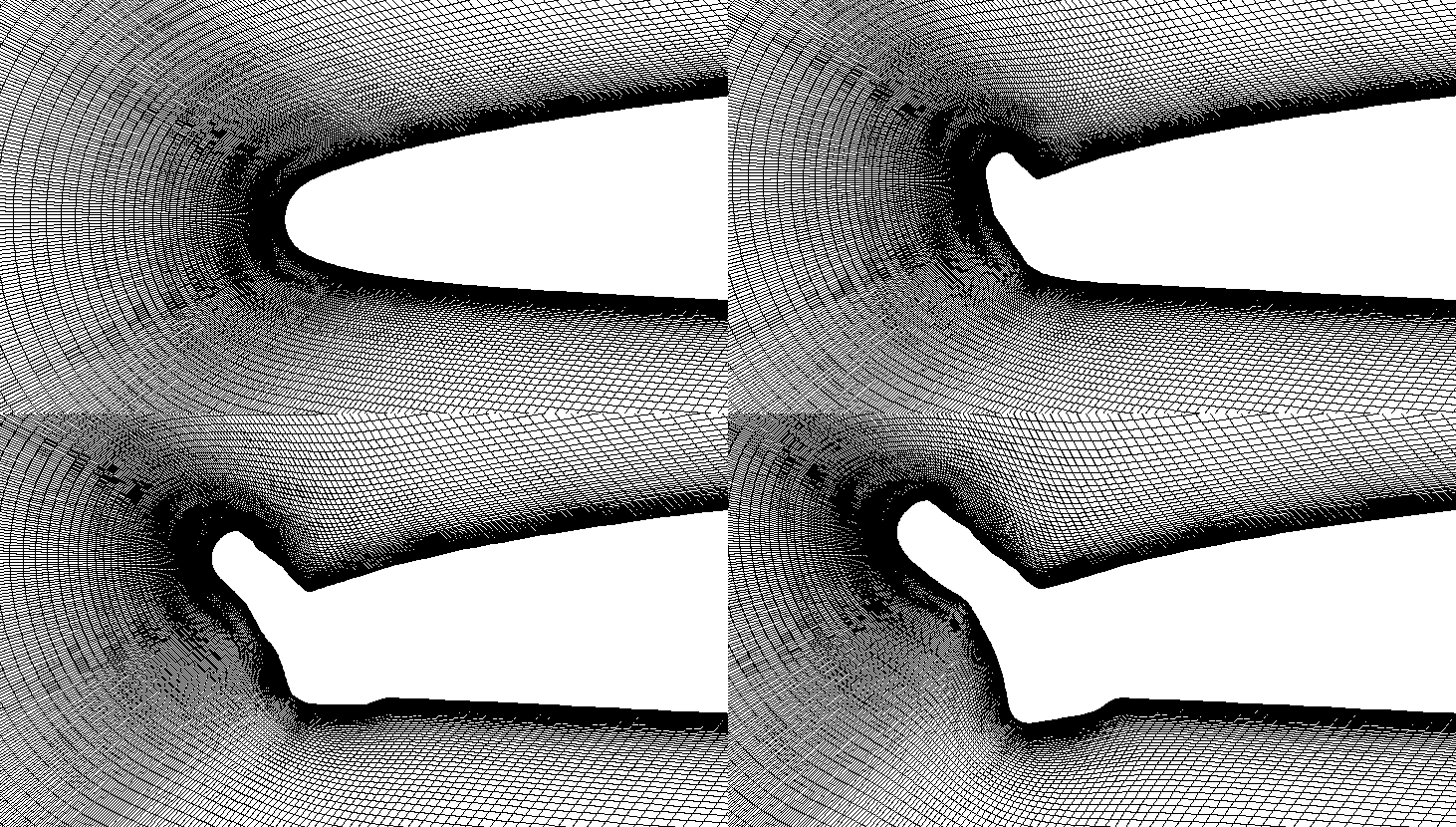
Mesh morphing
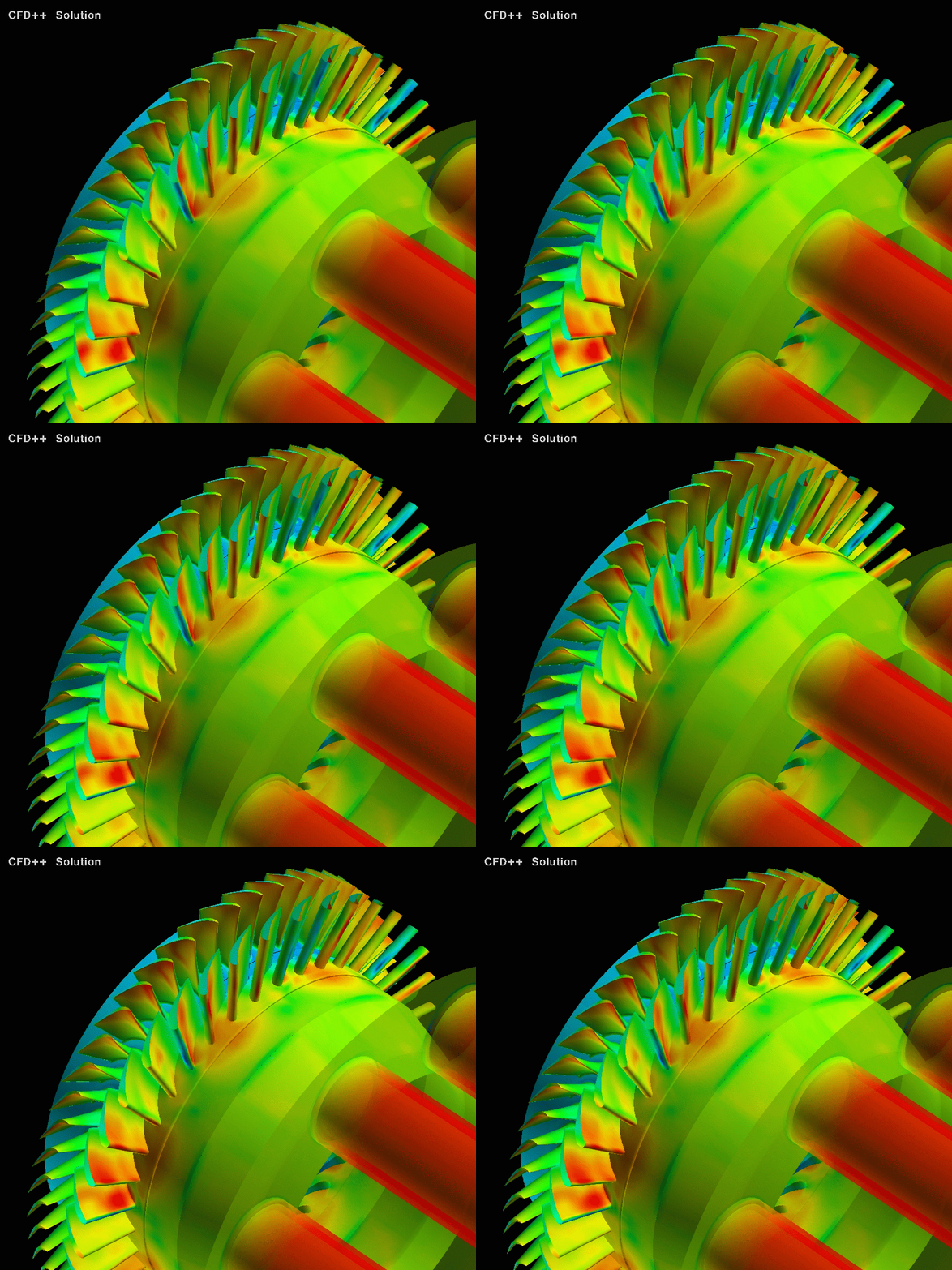
- Steady state and transient simulations
- Radial Basis Functions (RBF) based mesh morphing
- File-based and BC-based mesh morphing modes
- Special analytical morphing modes for flexible discs and pistons
- Automatic motion periodicity
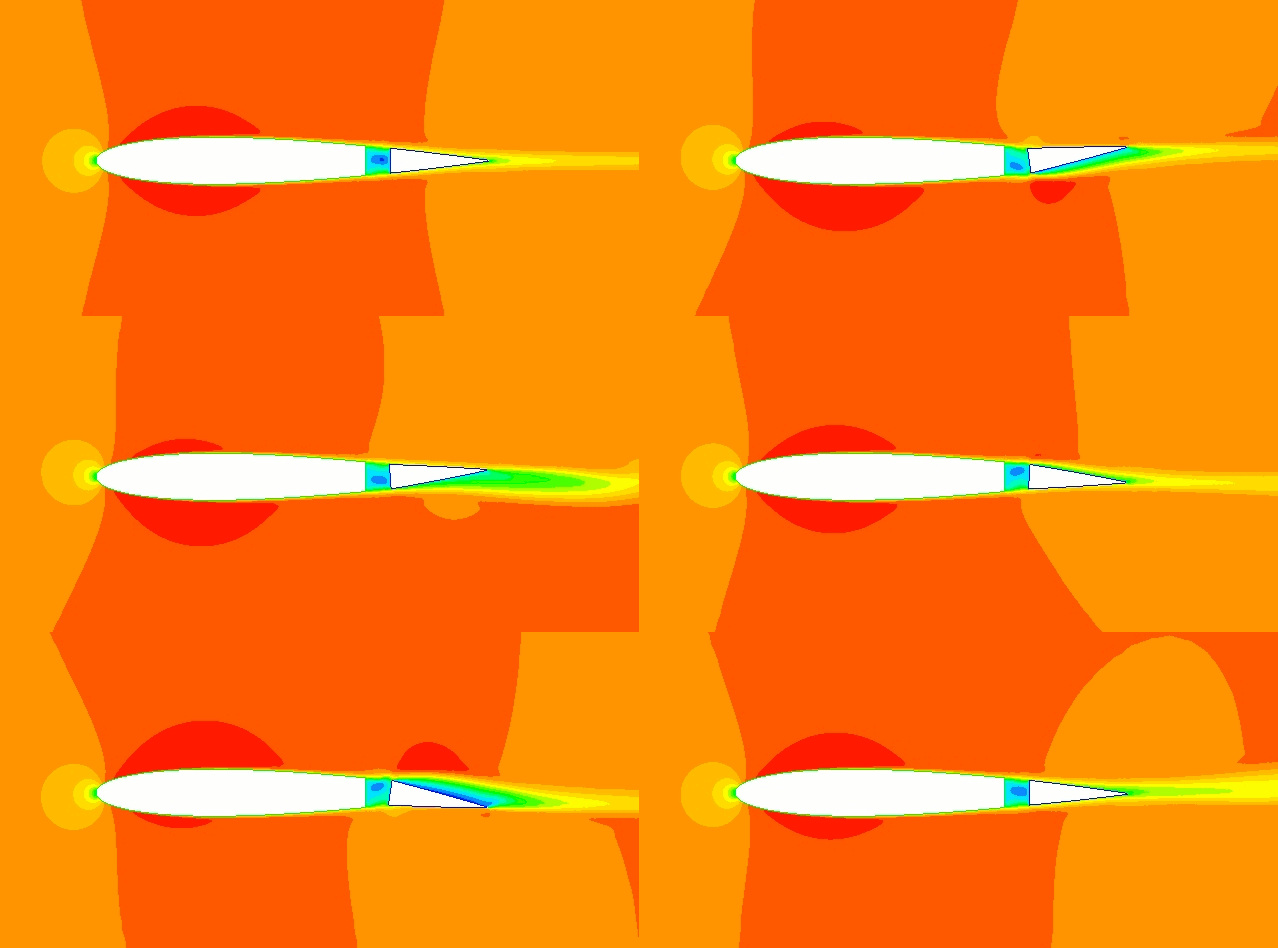
Physics Source Terms
- Axisymmetric swirl
- Sinusoidal body force
- Porous media
- Mass injection
- Stator blade model
- Synthetic jet doublet
- Vortex generator
- Vortex-like source
- Plasma actuator model
- Volumetric source terms
- User-linked subroutines
- Rotors and Propellers:
- Actuator Disk model
- Useful as a first approximation for modeling rotors
- Applies pressure jump and swirl velocity
- Can apply incremental thrust and torque coefficients
- Rotor model
- Based on the blade-element method
- Helicopter and propeller mode
- Hub and tip loss corrections
- Rotor trimming based on pitch or rpm
- Blade sectional airfoil characteristics based on Reynolds and Mach numbers
- Several 3D correction models to account for the effects of rotation, blade twist and centrifugal pumping
- Actuator Disk model
Adjoint Method
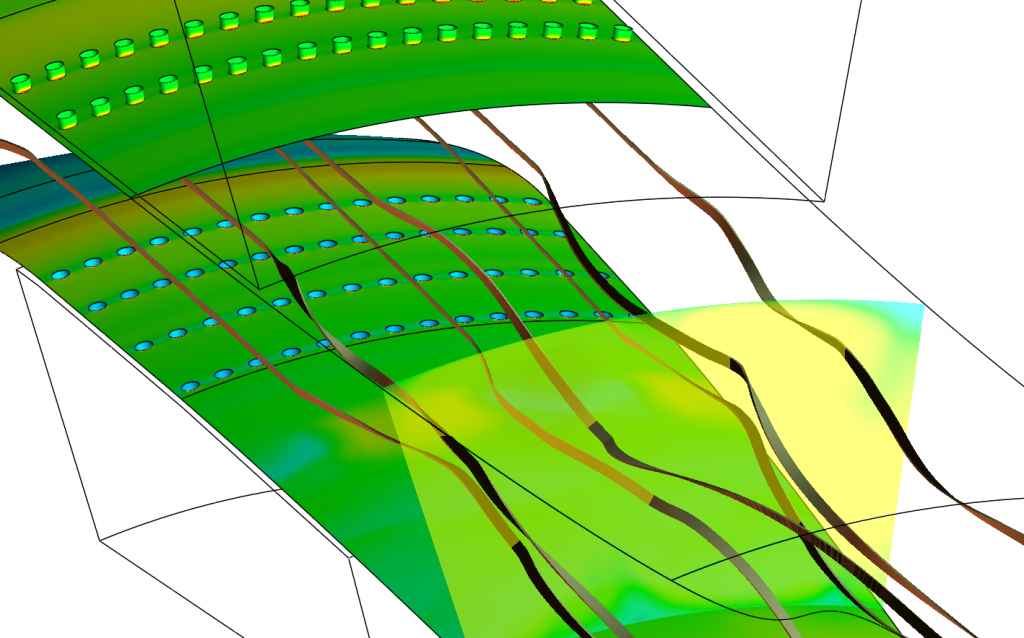
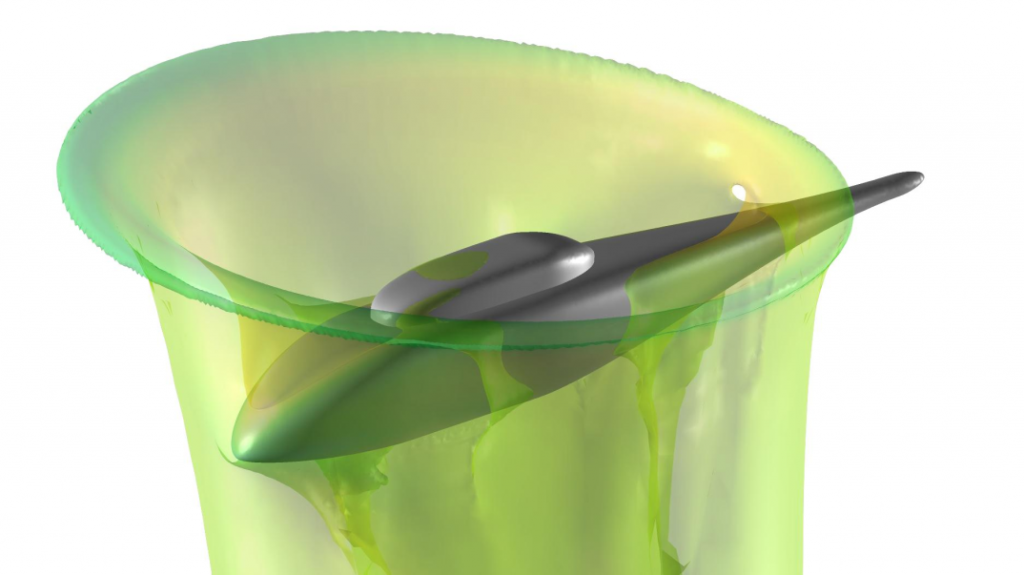
- Wide range of objective definitions
- Simultaneous adjoint problem definitions
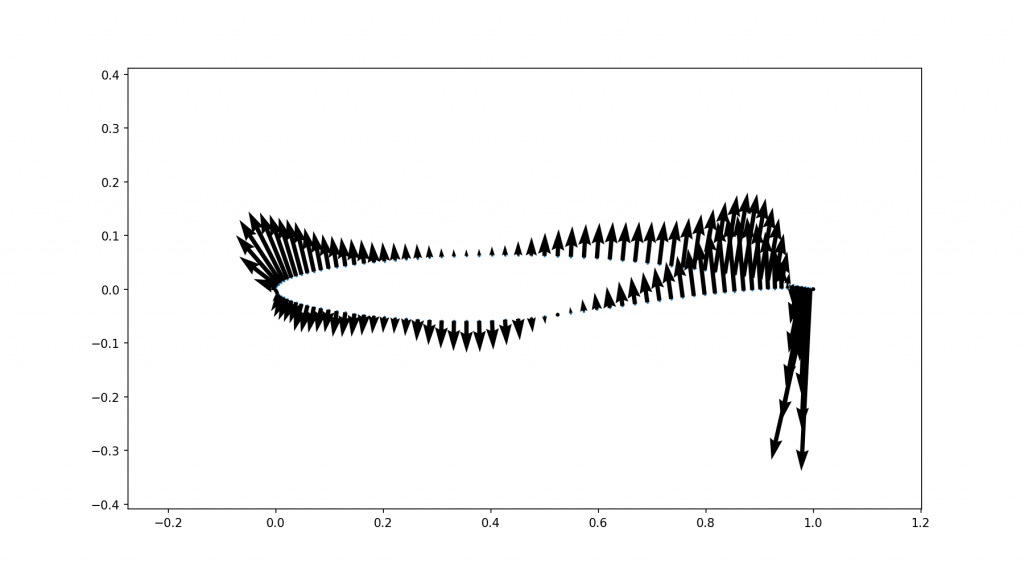
- Simple and complex sensitivities
- Sensitivities for shape optimization : parameterized geometry and free form
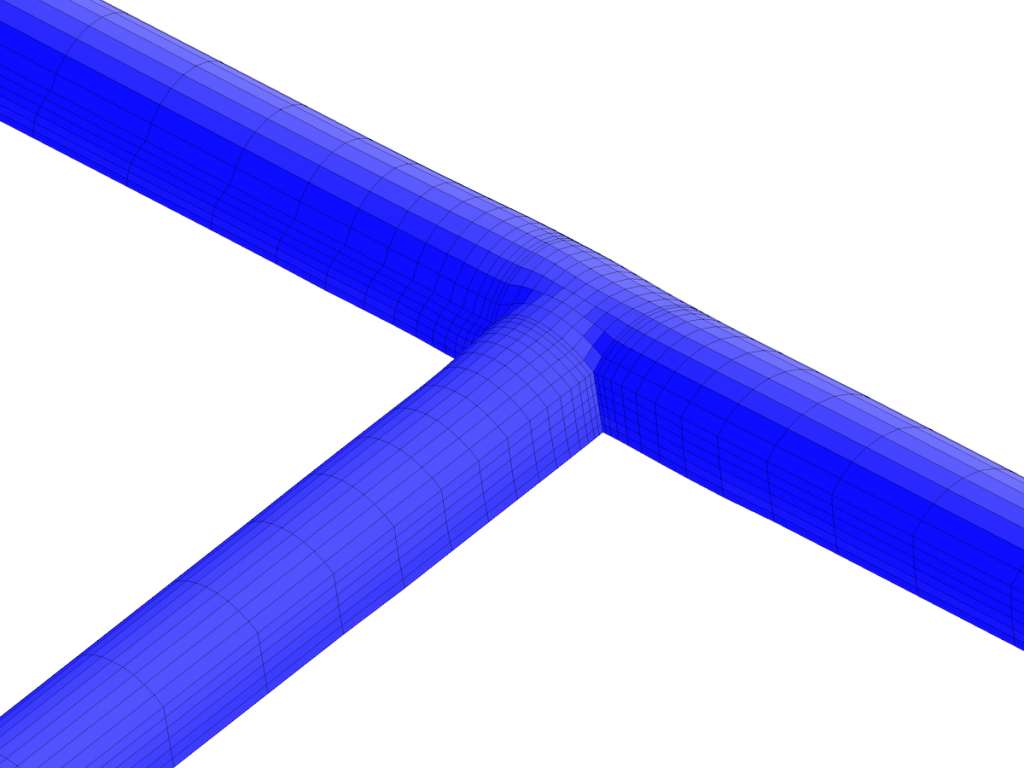
Advanced Numerics
- Choice of both density-based and pressure-based solvers for appropriate regimes.
- Multi-dimensional higher-order Total Variation Diminishing (TVD) interpolation is used to avoid spurious numerical oscillations.
- Approximate Riemann solvers to provide correct signal propagation for the for the various waves in the system
- Preconditioning to prevent eigenvalue spread, enhance convergence, and achieve near-optimal minimum levels of dissipation in low-speed flows.
- Advanced convergence acceleration techniques, including unique preconditioning, relaxation and multigrid algorithms.
See CFD++® in action!
RECENTS
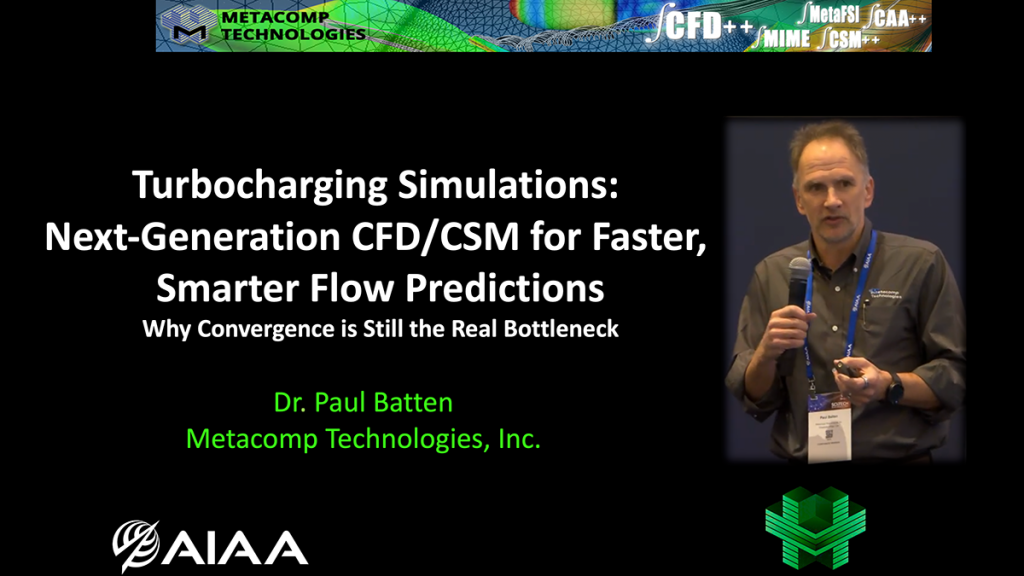
Turbocharging Simulations: Next-Generation CFD/CSM for Faster, Smarter Flow Predictions
In this HUB presentation delivered at the Exposition Hall of AIAA SciTech Forum 2026, Dr. Paul Batten, Principal Scientist at Metacomp Technologies,…
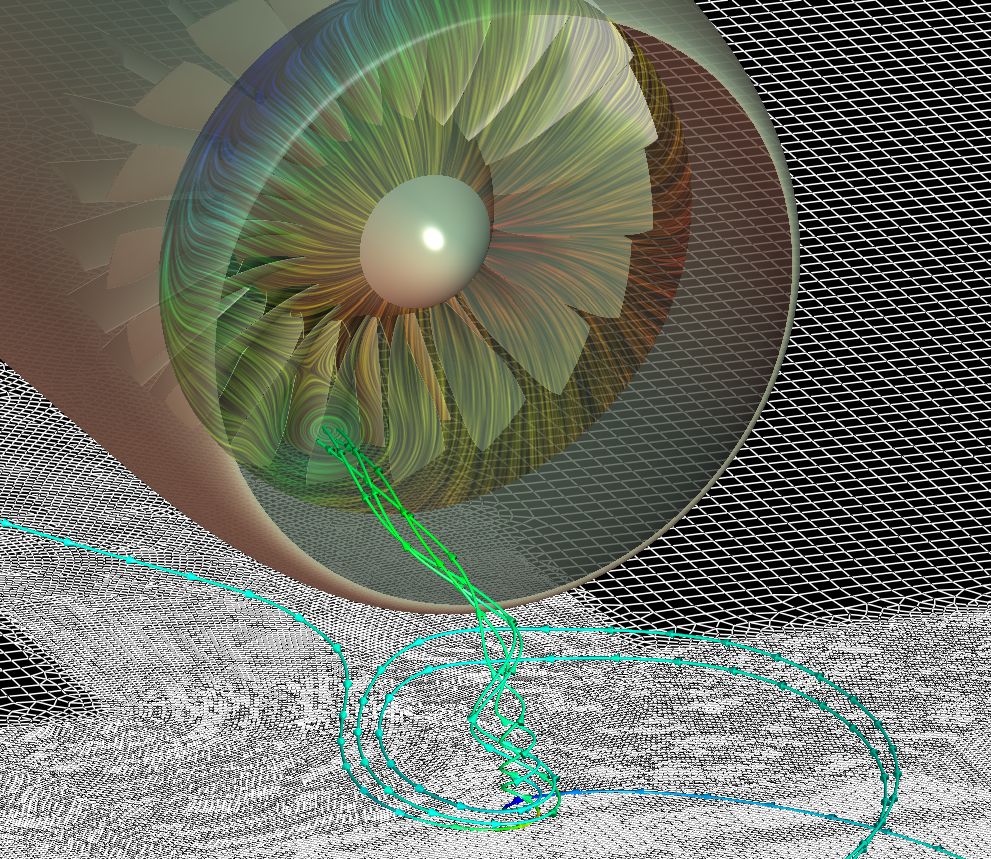
Metacomp at the 7th AIAA Propulsion Aerodynamics Workshop 2026
In 2026, Metacomp participated in the 7th AIAA Propulsion Aerodynamics Workshop at the AIAA SciTech Forum and Exposition in Orlando, Florida. The…
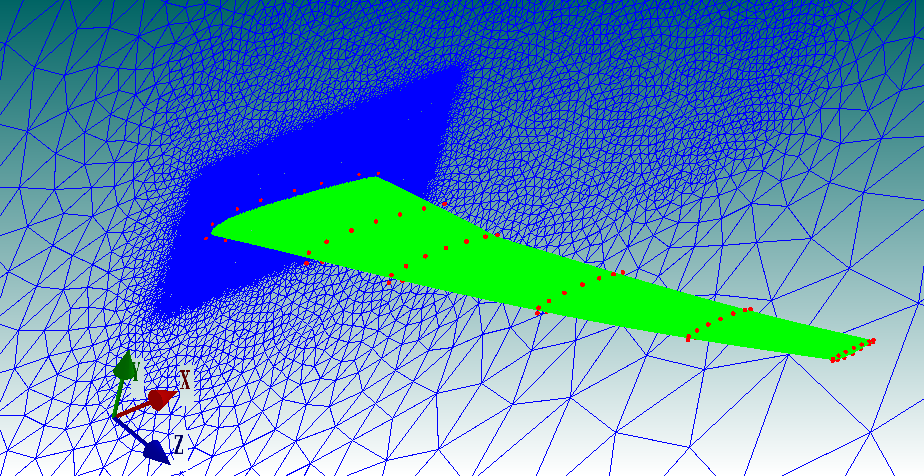
Metacomp’s Adjoint solver in action — Aerodynamic shape optimization
Metacomp’s Adjoint solver is used to optimize the shape of the 3D wing of the common research model (CRM). A decrement of…